为什么还要读经典
The classics are not answers but questions that keep surviving
A Common Misunderstanding
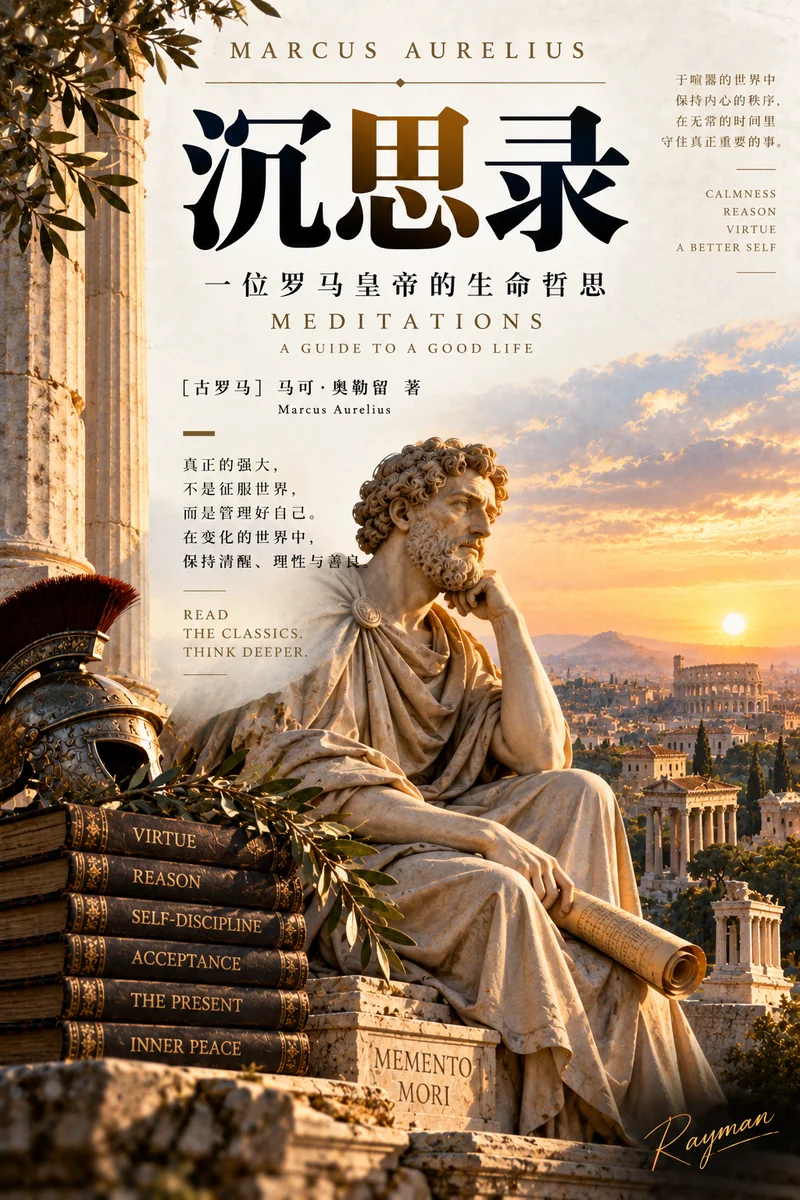
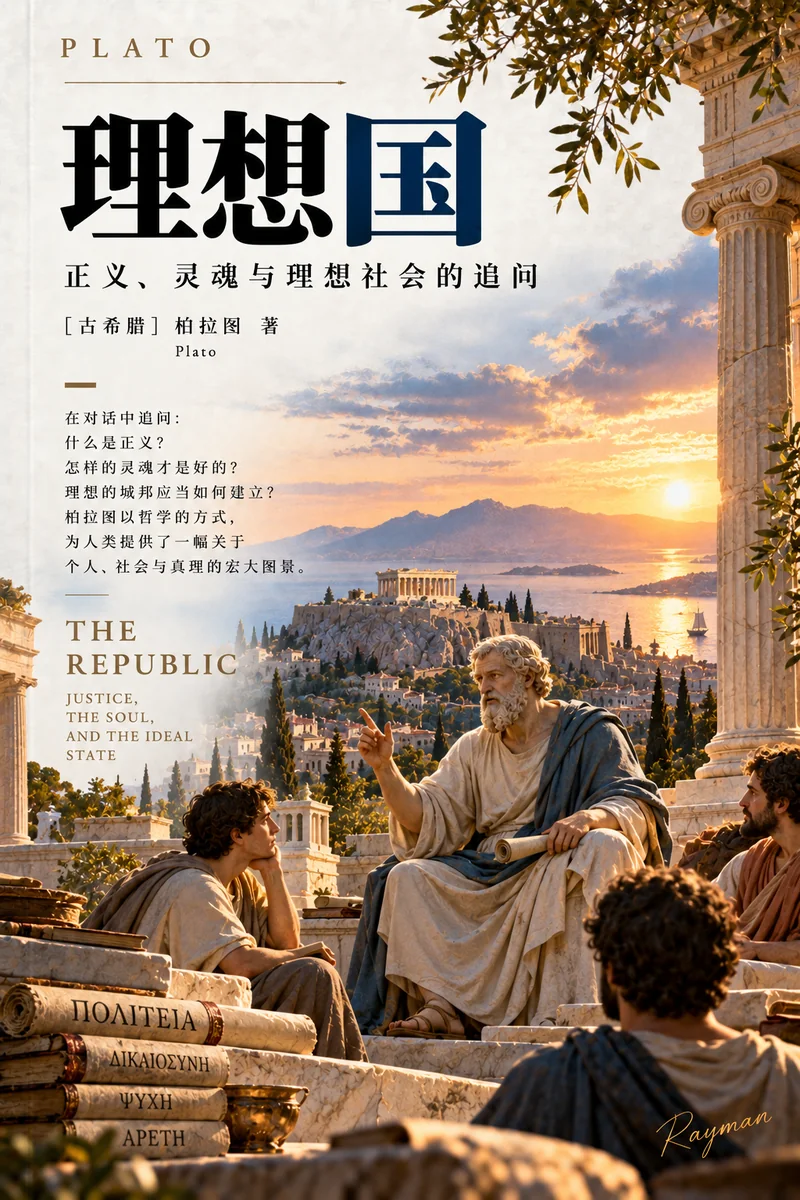
Many people assume that reading the classics means accepting the right opinions. The opposite is closer to the truth. The first thing to notice about the classics is that they contradict one another. Plato asks in The Republic what justice is; a realist tradition answers in a completely different register. The Stoics in Meditations argue that suffering comes from judgment, while existentialists insist the world itself carries no meaning. You cannot agree with all of them at once. That is exactly why they are questions rather than doctrine.
Why the Classics Survive
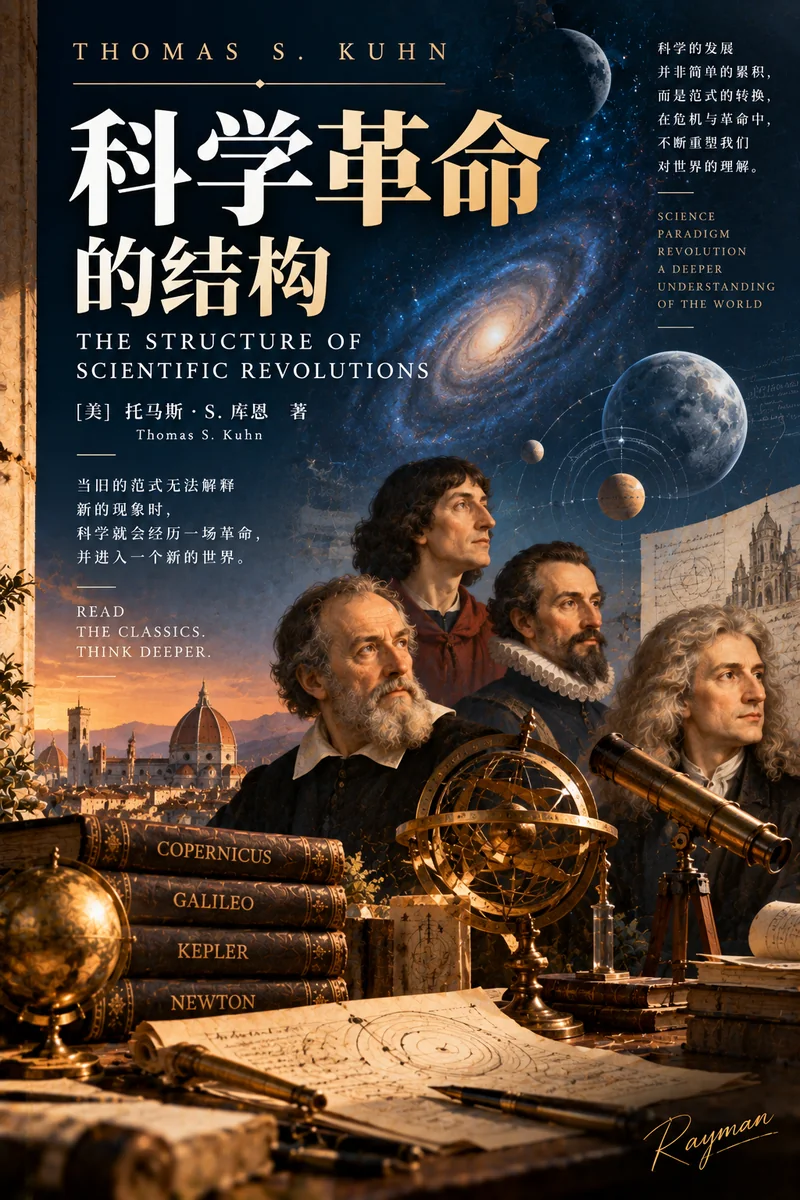
A book that lasts several centuries usually survives not because its conclusions are correct but because it reorganizes the problem. The Structure of Scientific Revolutions matters less for offering a final definition of science than for putting the word "paradigm" into the language we use to describe change.
The books that endure tend to do one thing: they give a name to a vague experience. Once a thing has a name, we can discuss it, challenge it, and improve it. Without those names, we reinvent the same argument from scratch, over and over.
What Reading the Classics Actually Trains
- Telling "I think I am thinking" apart from "I am thinking." Many current debates are old problems in new vocabulary. Readers recognize them immediately; non-readers experience them as unprecedented.
- Resistance to the mood of the moment. The classics were written in circumstances unlike ours, so they carry a natural distance. That distance is useful: it spares you the obligation to react to every headline at once.
- A reference frame you can carry with you. When a decision is heavy, being able to recall that someone spent a lifetime on the same question is itself a form of composure.
The greatest return from the classics is not knowing what others thought, but seeing which mistake you are repeating.
Some Practical Advice
- Do not read front to back. A classic is not a novel. Start with the preface and the table of contents, then find the chapter that speaks to your present situation.
- Pair it with a good introduction. The difficulty usually comes from the gap in time, not from the ideas themselves. A guide is not a shortcut; it is a translation.
- Give yourself permission to disagree. The worst posture is reverence. Treat these books as interlocutors across a table, not exhibits in a museum.
- Read a little at a time, and return. A classic is classic because it shows a different face at different stages of a life.
The Illusion of Obsolescence
Some people say the classics are obsolete because their circumstances were nothing like ours. It helps to separate two kinds of obsolescence: obsolete facts and obsolete questions. Facts do go stale — the ancients knew nothing of quantum mechanics or global supply chains. Questions rarely do. What is justice, how to face death, why power tends to be abused — these are as new as they were two thousand years ago.
What actually goes out of date is never the question, but our confidence that it has already been settled.
So the right posture is not to mine the classics for answers you can apply directly. It is to calibrate how you ask. The more specific the question you bring, the more you carry away. A reader with no confusion will find only a pile of old sentences.
Why This Matters Now
We live in an age of abundant information and scarce judgment. New books, new concepts, and new frameworks arrive daily, each claiming to be unmissable. In that environment the classics offer something rare: stability. They have already survived decades or centuries of scrutiny and will not be retired by next month's trend.
Reading them is not nostalgia. It is acquiring a longer frame of reference, and the longer your frame, the harder it is to be knocked off course by the noise in front of you. For anyone trying to build a durable model of the world, that is close to unavoidable. The classics will not make you certain. They will make you harder to fool, which is a better thing to be.