AI 时代最值得读的十本书
Not a list, but a ladder of understanding
Why an AI Reading List at All
Arguments about AI are rarely technical at bottom. When people disagree over how many jobs AI will replace, when AGI will arrive, or whether it should be regulated, the disagreement usually rests on different assumptions about computation, economics, history, and cognition. Read only the technical manuals and you get a narrow answer; read only the news and you are carried along by the mood of the week.
The point of this list is not to collect whatever is trending. It is to build a ladder: understand the underlying problems of computation and intelligence first, then how technology and economies interact, and finally return to the question of what we actually want — which no amount of engineering can settle on our behalf. The order is part of the content.
First Layer: Understanding Intelligence Itself
- Artificial Intelligence: A Modern Approach — it breaks "intelligence" into problems you can actually work on: search, reasoning, learning, perception. It is a textbook, but its real value is showing what the field is genuinely trying to solve, as opposed to what it sounds like it is solving.
- Deep Learning — the book that explains representation learning and gradient-based methods, the technical floor beneath contemporary AI. It is not easy, but without it your judgments about AI remain one layer removed from the machinery.
- The Master Algorithm — a single volume on the main schools of machine learning and the reasons they disagree with one another.
Second Layer: Understanding Risk and Alignment
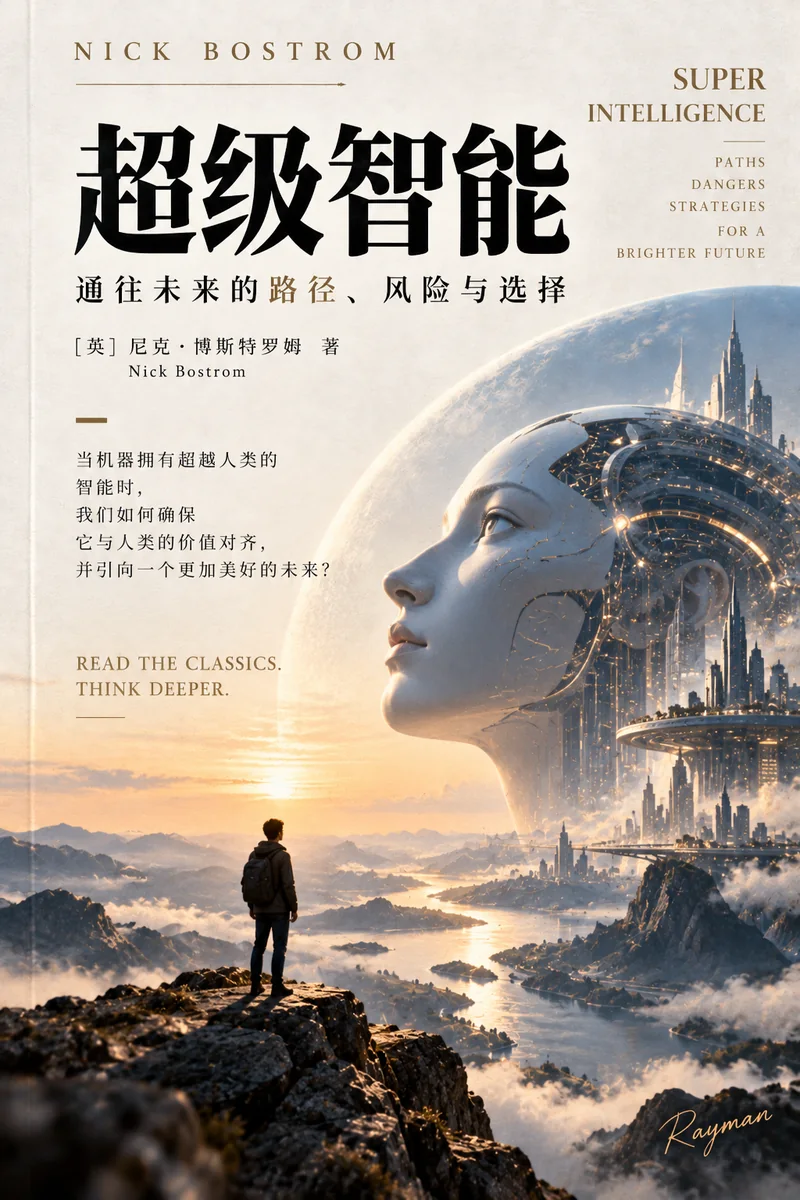
- Superintelligence: Paths, Dangers, Strategies — it puts the problem of capability outrunning control squarely on the table. Its value is less in the accuracy of any prediction than in the questions it refuses to let go of.
- Human Compatible — a more engineering-minded treatment: if we cannot specify our own objectives precisely, how should a machine act with us rather than for us?
- The Alignment Problem — it brings alignment down to concrete algorithms and cases instead of leaving it as a philosophical slogan.
Third Layer: Understanding Technology and Civilization
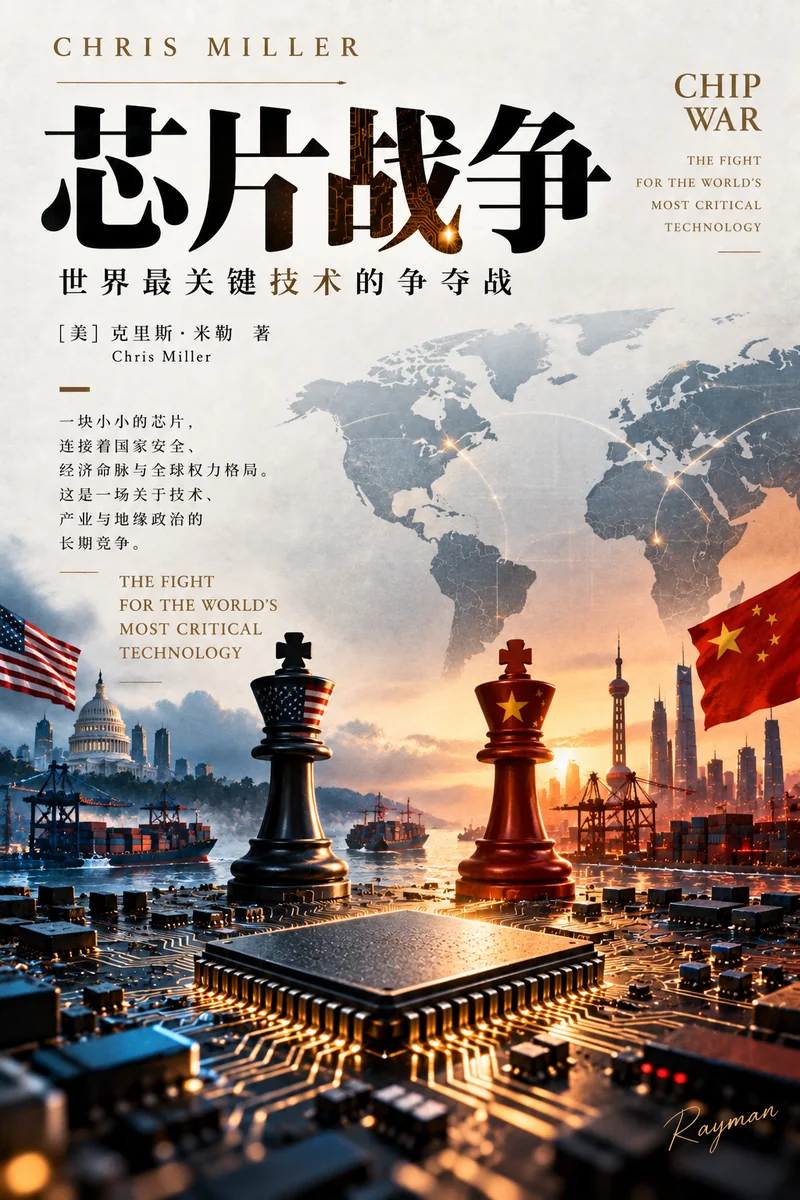
- Chip War — AI's compute does not appear from nowhere; it rests on an extraordinarily concentrated global supply chain. Without understanding that chain, you cannot understand today's competition.
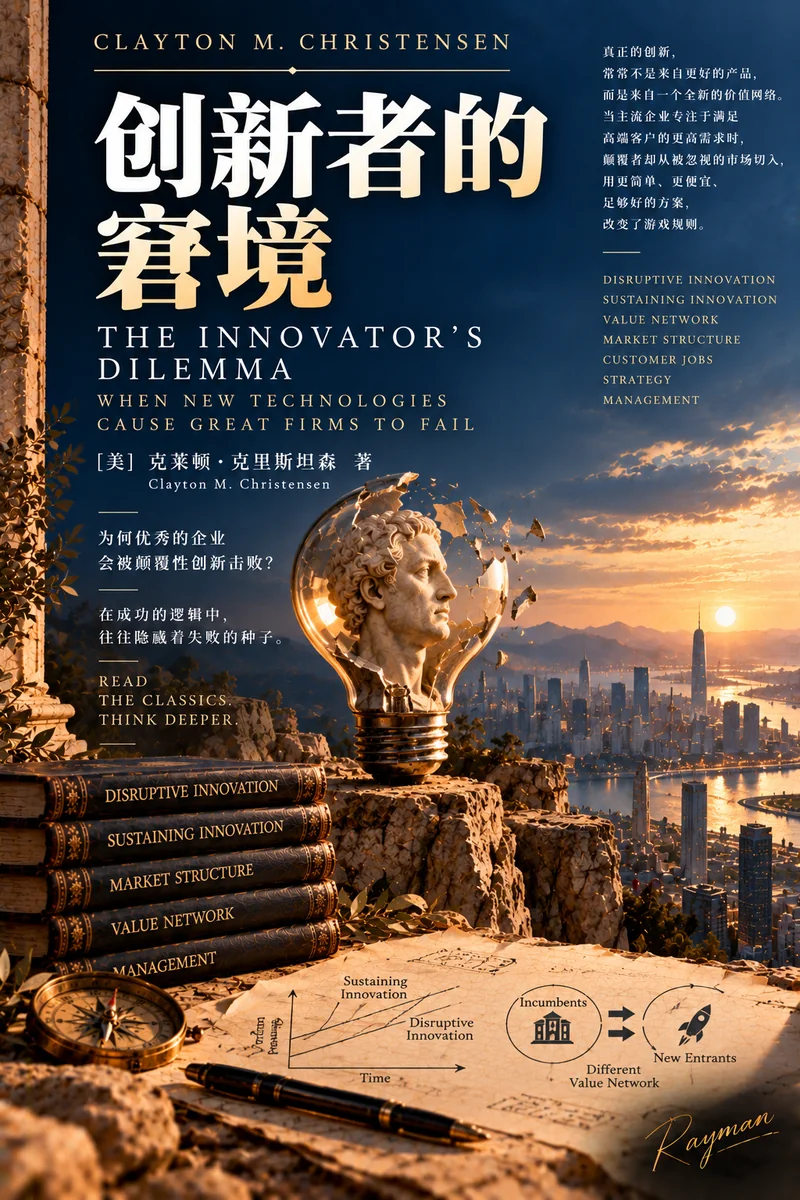
- The Innovator's Dilemma — why strong companies routinely fail at new technologies. The same logic applies to the AI landscape now taking shape.
- Life 3.0 — it moves the question from "what can machines do" to "what do we want to become."
- The Second Machine Age — an economic account of how digital technology reshapes work, income, and growth.
How to Read This List
The value of a reading list lies less in what it includes than in what it helps you rule out.
Read by dependency, not by popularity. Finish the first layer, or everything afterward collapses into a contest of positions. And do not treat reaching the end as the goal. The real aim is a framework you can use to judge the next "essential" book on your own — so that when it arrives, you can see which thread it is attached to.
Three Common Mistakes
- Mistaking popular science for the technology itself. A bestseller hands you concepts, but concepts are not understanding. Serious technical judgment still means going back to the textbooks in the first layer, even if only part of them.
- Substituting a position for analysis. Too many AI conversations collapse into "which side are you on." Good reading makes it harder to pick a side, because you can see the case for both at once.
- Reading conclusions without the reasoning. The most valuable part of a book is usually how the author rules out competing explanations, not what he ends up believing.
An Honest Caveat
Not one of these ten books can tell you where AI will take the world. What they can do is spare you the two reflexive responses that otherwise remain: uncritical optimism, or uncritical fear. Being able to ask a good question is itself a scarce skill.
If your time is limited, reading only the first and second layers will still serve you better than reading a pile of commentary. Foundations set the ceiling, and that holds for AI as much as anywhere else.