理解半导体:一条从材料到地缘政治的阅读路径
Reading the chip as a system with many layers
Why Start with Semiconductors
If you want to understand the technological landscape of this era, the semiconductor is the unavoidable entry point. It pulls on four things at once: physics and materials, manufacturing engineering, business strategy, and competition between nations. Few industries braid those four threads together; chips braid them to the limit.
More importantly, the difficulty of a chip lies not in any single step but in the coordination of the whole chain. Design, lithography, materials, packaging — if any link fails, the entire chain stops. Understanding that kind of full-chain coupling is basic training for understanding modern industry.
First Layer: Materials and Physics
The semiconductor does not begin with the computer. It begins with materials science. Silicon took the leading role because its conductivity can be controlled precisely: doping, oxidation, lithography — every step is engineering at the atomic scale.
- Build the intuition first: why "controlling current" eventually became "controlling atoms."
- Then understand the constraints: the wavelength of lithography, thermal expansion, yield. Physical limits turn directly into commercial limits.
- You need not become an engineer, but you must respect physics. Every leap in this industry rests on a breakthrough in materials or process.
Second Layer: Engineering and Manufacturing
The keywords here are yield and scale. Designing a chip and manufacturing hundreds of millions of them reliably are two entirely different capabilities.
The most counterintuitive fact about semiconductors: the moat is often not design but manufacturing know-how accumulated over decades.
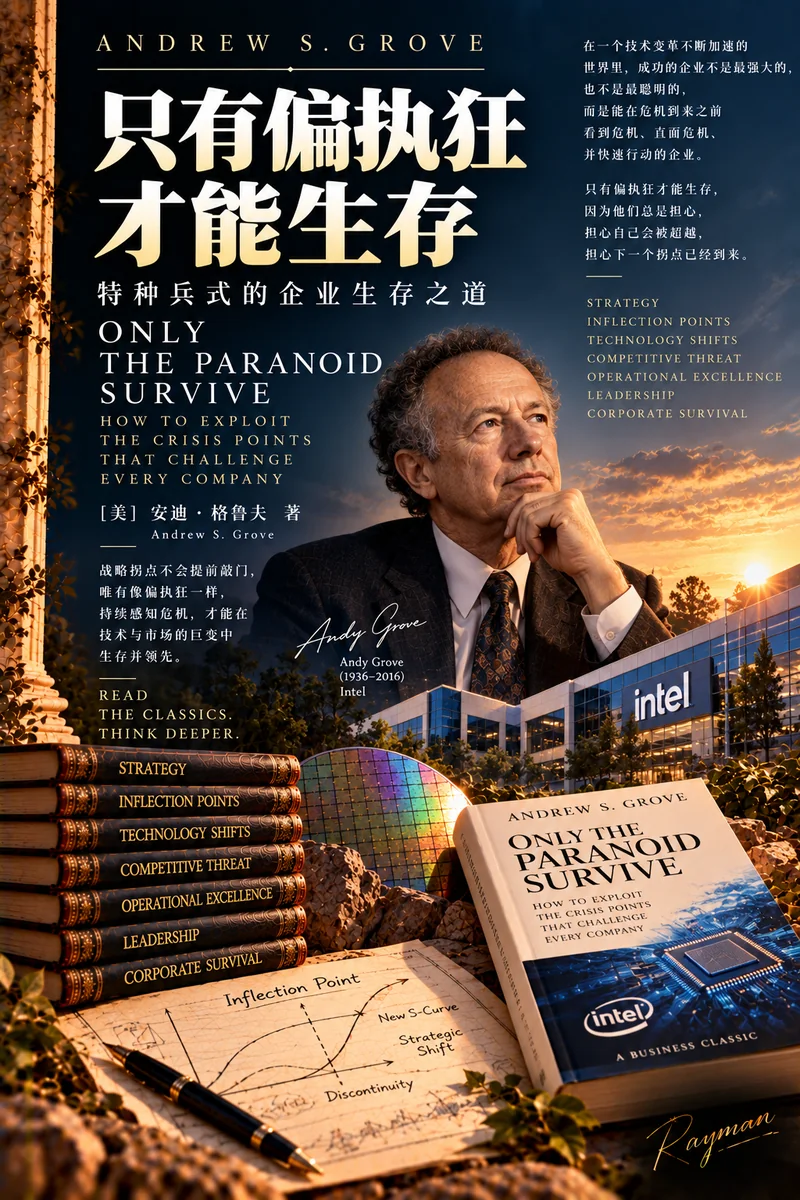
Read along the thread of how a single company survives. Intel's turns and TSMC's rise are both stories about betting on the right capacity at the right time.
Third Layer: Business and Strategy
The history of chips is full of strategic failure: miss one process node and you may exit the leading group for good. Two transferable insights emerge:
- Technical leadership is not commercial leadership. Incumbents often miss the next paradigm because they are too focused on their existing customers.
- Capital expenditure is a strategic commitment. In this industry, the willingness to keep investing when the outlook is most uncertain often decides where you stand a decade later.
Fourth Layer: Geopolitics
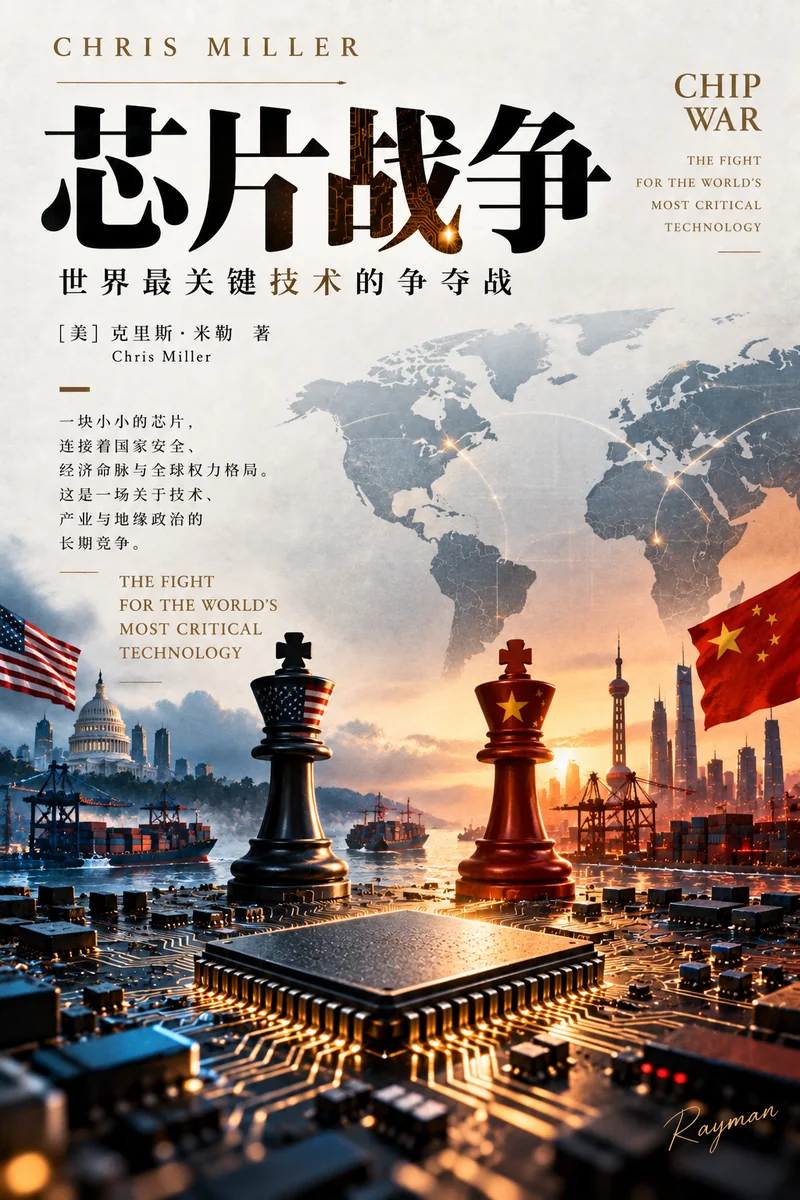
By this layer the chip is no longer only technology; it is power. Export controls, supply-chain shifts, and industrial subsidies all rest on a simple fact: the world's most advanced computing capacity is concentrated in very few places.
- Understand that "chokepoints" are not an emotional phrase but a real physical and process chain.
- Understand that dependence runs both ways: suppliers depend on buyers too, and that mutual dependence is itself part of the game.
An Overlooked Layer: People and Know-How
The scarcest resource in this industry often turns out to be not equipment but people. Process knowledge depends heavily on accumulated experience, and an engineer's judgment cannot be copied quickly. Once you see this, you understand why moving a supply chain was never just a matter of building a few fabs.
- Equipment can be bought; yield must be earned over time.
- Patents can be worked around; experience cannot.
- The competition, then, is fundamentally a race about the speed of accumulation.
This is also why the industry rewards patience over cleverness. A firm can leapfrog once through a single breakthrough, but staying at the frontier requires reinvesting that advantage year after year. The reading path above is meant to give you the same kind of patience: not a quick opinion about who is winning, but a durable sense of why the game is so hard to play.
A Suggested Reading Order
- Start with a book on industrial history to build the people and the timeline.
- Then a book on technological evolution to understand why the process is hard.
- Finally, strategy and policy analysis to understand why chips became a national question.
Do not expect one book to explain everything. The complexity of semiconductors means you need several complementary threads, not a tidy conclusion. Finish this path and you may not be able to design a chip — but you will understand why almost no one can build one alone, and why that single fact shapes so much of the world's politics.